AIR
The Elements CollectionTop
Base
Amber, Musk, Solar Notes, Moss

What each note smells like, where it sits in a fragrance, and which Free Yourself scents carry it.
Most fragrances unfold in three overlapping stages. How long each lasts varies with the formula, your skin and your environment.
The first impression. Light, fast-moving materials such as citrus and some spices, noticed in the first minutes and usually the first to fade.
Often found hereBergamot, Lemon, Grapefruit, Pink pepper
The character of the fragrance. Florals, herbs and spices that tend to emerge as the opening settles and carry the composition for hours.
What stays closest to skin. Woods, resins, musks and vanilla that develop slowly and often last longest.
Often found hereVetiver, Sandalwood, Amber, Musk, Vanilla
Longer reads on how a single note behaves, where it comes from and how we use it.
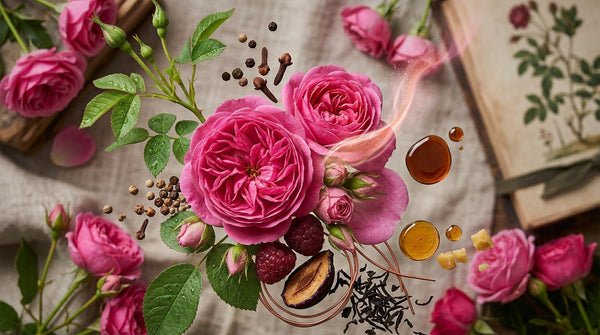
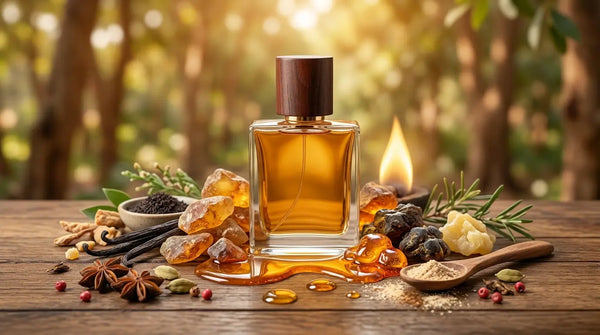
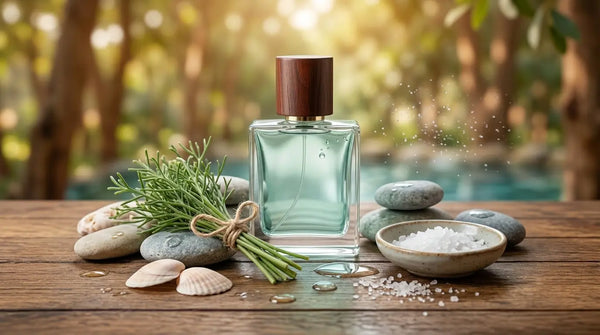
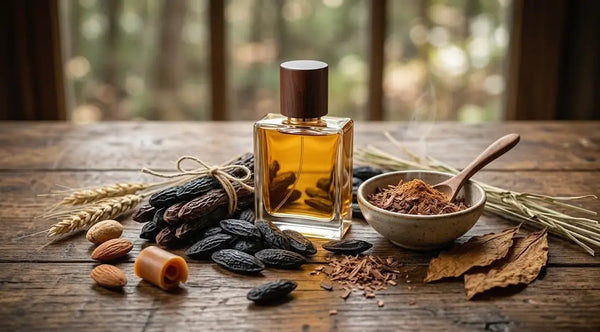
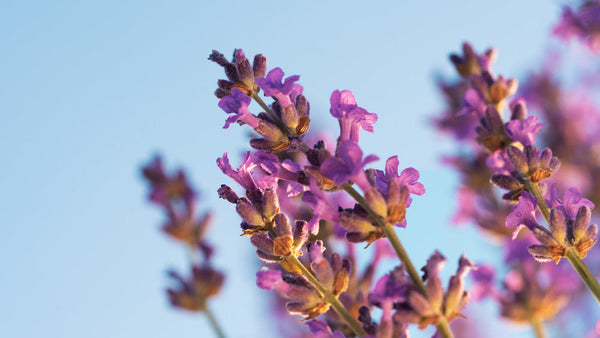
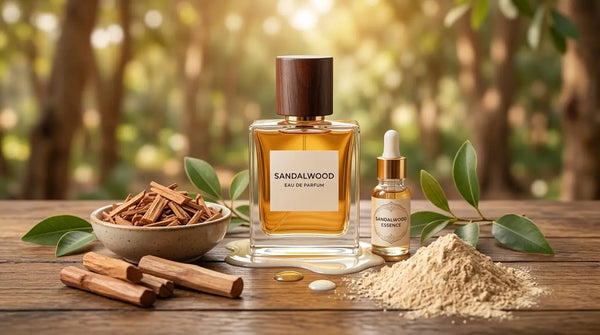
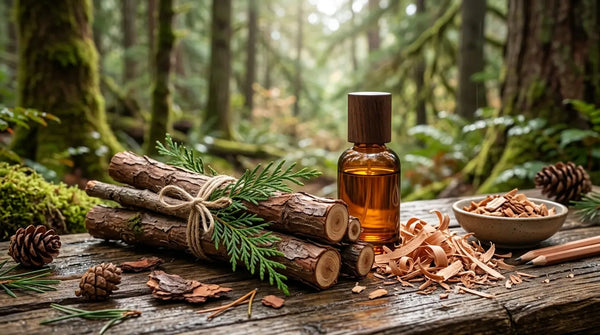
The published pyramid of each Eau de Parfum. Select a note to read about it.
Amber, Musk, Solar Notes, Moss
Neroli, Rosemary, Smokey Wood, Ylang Ylang, Violet
Salty Blackcurrant, Bell Pepper Accord, Fresh Hyacinth, Incense Superessence
Galbanum Resinoid, Vetiver Essential Oil, Patchouli Absolute, Noxolide™
Jasmine, Angelica Root, Wild Desert Herbs, Orris, Leather
What each note smells like, grouped by scent family, with links to our full guides and the fragrances that carry it.
Bright, zesty materials that usually open a fragrance and tend to fade first.
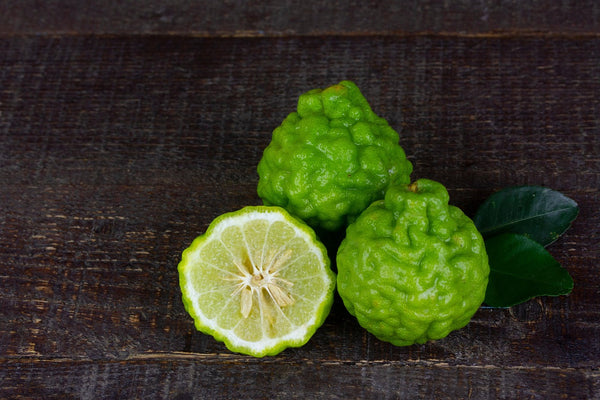
A bitter citrus from southern Italy that smells bright and faintly floral, with a tea-like, slightly peppery edge. It often opens a composition.
Sharp, juicy and a little bitter, with a tangy facet that can read almost green. It usually brings energy to the top of a fragrance.
Crisp, zesty and clean. Like most citrus, it tends to shape the first impression more than the dry down.
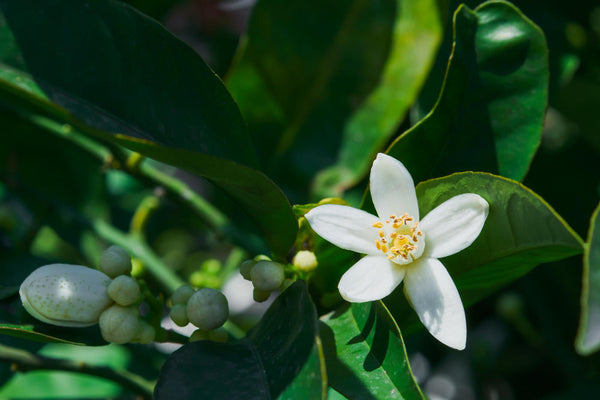
Steam-distilled bitter orange blossom. Clean and white floral, with a green, bitter edge and a honeyed center.
Distilled from the leaves and twigs of the bitter orange tree. Green, woody and bitter, it smells more like the tree than the blossom.
The heart of many perfumes, ranging from fresh and green to creamy, heady and powdery.
A lush, creamy white floral with green and faintly earthy undertones. It is usually recreated as an accord.
Rosy and green, with a minty, slightly lemony sharpness that can make a rose feel fresher.
Cool, green and dewy, like crushed spring stems under a sweet floral top.
A rich white floral, sweet and heady, with a warm, faintly animalic depth that can make a composition feel sensual.
Heady, green and hay-like, with an earthy, slightly animalic undertone.
Bitter orange flowers in their fuller form: sweeter, creamier and more heady than neroli.
Made from aged iris root. Powdery, buttery and cool, with a faint violet-like earthiness, and among the costliest materials in perfumery.
One of perfumery's most versatile florals. Depending on the material and what surrounds it, rose can lean spicy, green, fruity, honeyed or even metallic.
Soft and powdery, sometimes with a green, leafy facet and a candied sweetness.
A tropical flower with a creamy, custard-like sweetness and a slightly spicy richness.
Leaves, stems, roots and herbs that add freshness, bitterness and a natural feel.
Earthy and musky, with a peppery, green brightness that can lift a heart accord.
Green, peppery and fresh, with a hint of anise.
Fresh, green and slightly bitter. Not to be confused with birch tar, which is smoky and leathery.
A herb from southern India with a fruity, boozy, dried-apricot sweetness over a green, herbal base.
An intensely green resin that smells of snapped stems and bitter sap. A small amount goes a long way.
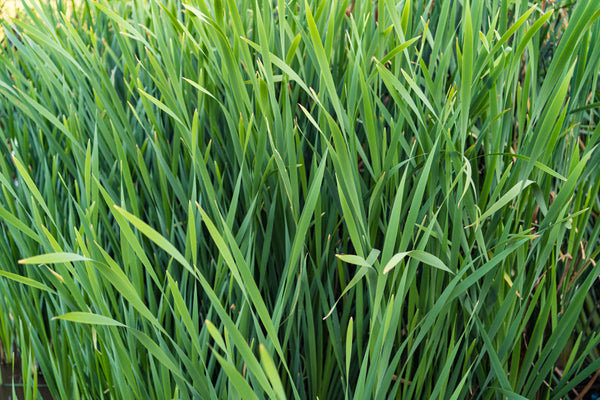
A general term for the smell of cut grass, leaves and stems, used to add freshness and a natural feel.
Herbal and clean, with a floral sweetness and a camphor-like freshness.
Damp, earthy and green, like a forest floor, with a faintly woody depth.
Aromatic and herbal, with a camphorous, pine-like freshness.
Warm, herbal and slightly medicinal, with a savory, spicy edge.
A soft, transparent accord: clean, slightly green and quietly calming.
Warm or cool spices that add energy, texture and bite.
Sweet and licorice-like, with a cool, aromatic freshness.
A cool, aromatic spice with a eucalyptus-like freshness and a sweet warmth underneath.
Sweet, woody warmth. In small doses it glows; in larger doses it can feel bold and fiery.
Warm, sweet and intensely spicy, with a slightly medicinal edge.
Warm, earthy and savory, with a skin-like facet that can add sensuality in small amounts.
Zesty, warm and slightly lemony. It can read fresh or spicy depending on the formula.
Not a true pepper. The dried berries smell rosy, fizzy and lightly spicy.
Leathery, honeyed and slightly metallic, with a dry, spicy warmth.
Juicy, jammy or tart fruit notes, usually built as accords.
Tart, green and juicy, often with a sharp, leafy facet from the buds.
Dark, jammy and sweet, often with a wine-like richness.
Bright, sweet and jammy, with a tart, slightly violet-like facet.
Dry, creamy or smoky woods that give a composition structure and staying power.
A smoky, tar-like oil from juniper wood that can evoke campfire and leather.
Dry, warm and pencil-shaving woody. Atlas cedar tends to be softer and sweeter; other types can read sharper or smokier.
Resinous and green, like a winter forest, with a soft, jammy sweetness.
Earthy, dark and velvety, with a cool, slightly minty or cocoa-like facet. Aged patchouli is often smoother and rounder.
Creamy, smooth and softly sweet, with a milky, skin-close warmth.
A grass root that smells earthy, smoky and dry, sometimes with a citrusy or mineral brightness.
A soft, clean woody accord, usually built to feel light and transparent.
Warm resins and balsams that glow on skin and often last well into the dry down.
An accord rather than a single material. Warm, sweet and resinous, often built around labdanum, benzoin and vanilla-like materials.
A salty, mineral, skin-like glow. Today it is usually captured with ambroxan, a molecule valued for that effect and for its diffusion.
Smoky, resinous and dry, often built from frankincense and related resins. It can feel meditative or simply airy.
A sticky resin from the rockrose shrub. Dark, leathery, ambery and slightly animalic.
Also called sweet myrrh. Warm, balsamic and powdery, with a honeyed sweetness.
A sweet balsam with cinnamon-like and vanilla-like warmth.
Edible notes such as vanilla, cocoa and nuts, usually balanced with woods and spice.
Sweet and marzipan-like, often with a soft cherry tone.
Bittersweet and dusty rather than sugary. It pairs naturally with patchouli, which shares its dark, earthy side.
Roasted, bitter and warm, adding depth and a slightly smoky edge.
A soft, sugary, powdery accord that adds cushioned sweetness.
Creamy, nutty and softly sweet, with a green, buttery facet.
Sweet dried leaf with hay-like, honeyed and slightly smoky warmth.
Warm and sweet, with facets of almond, caramel, hay and soft tobacco.
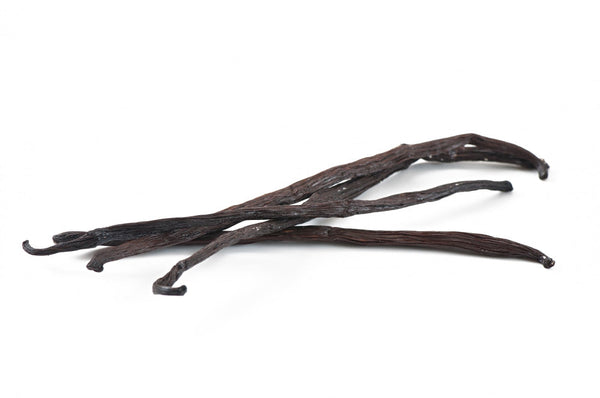
Far more than sweet. Vanilla can read dark, resinous, smoky and even leathery, and it often anchors amber and gourmand fragrances.
Soft, skin-like or animalic materials that add warmth, depth and diffusion.
Smoky, dry and slightly animalic, usually built as an accord rather than taken from leather itself.
Soft, warm and skin-like. Most musks in perfumery are carefully designed molecules that can add comfort, diffusion and longevity.
A softer take on leather: powdery, velvety and less smoky.
Accords that suggest water, air and sunlight.
Accords that suggest sea spray, rain or open water: cool, airy and clean.
Accords that evoke warm skin in sunlight: bright, slightly salty and faintly floral.
No notes match your search yet.
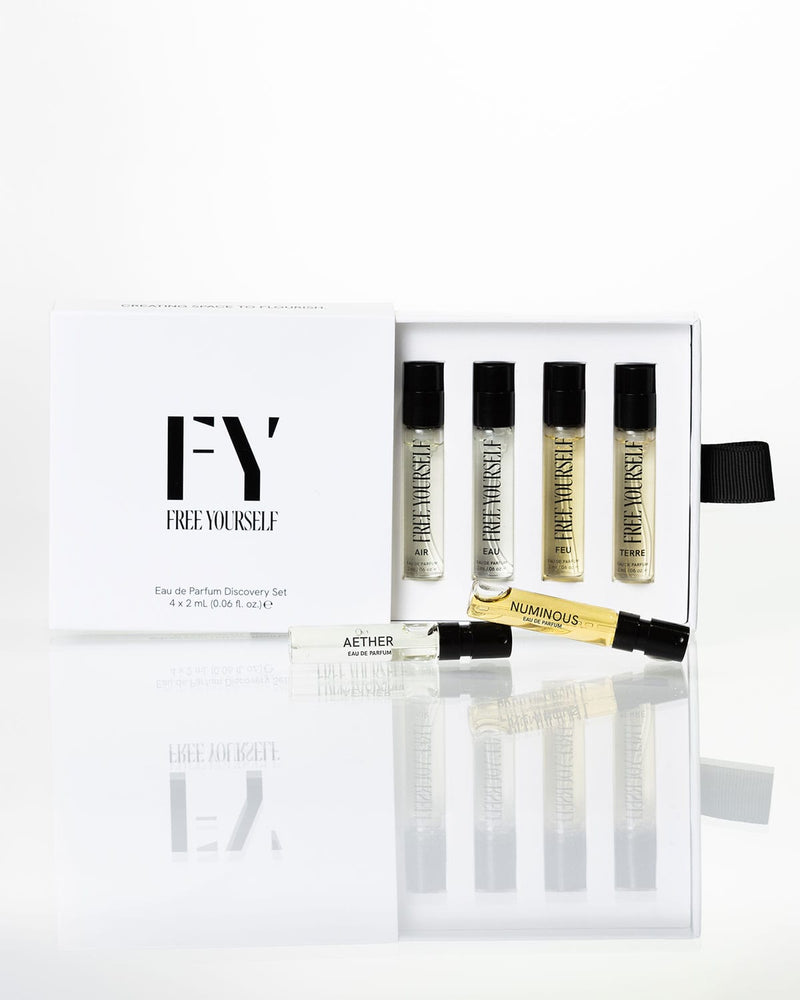
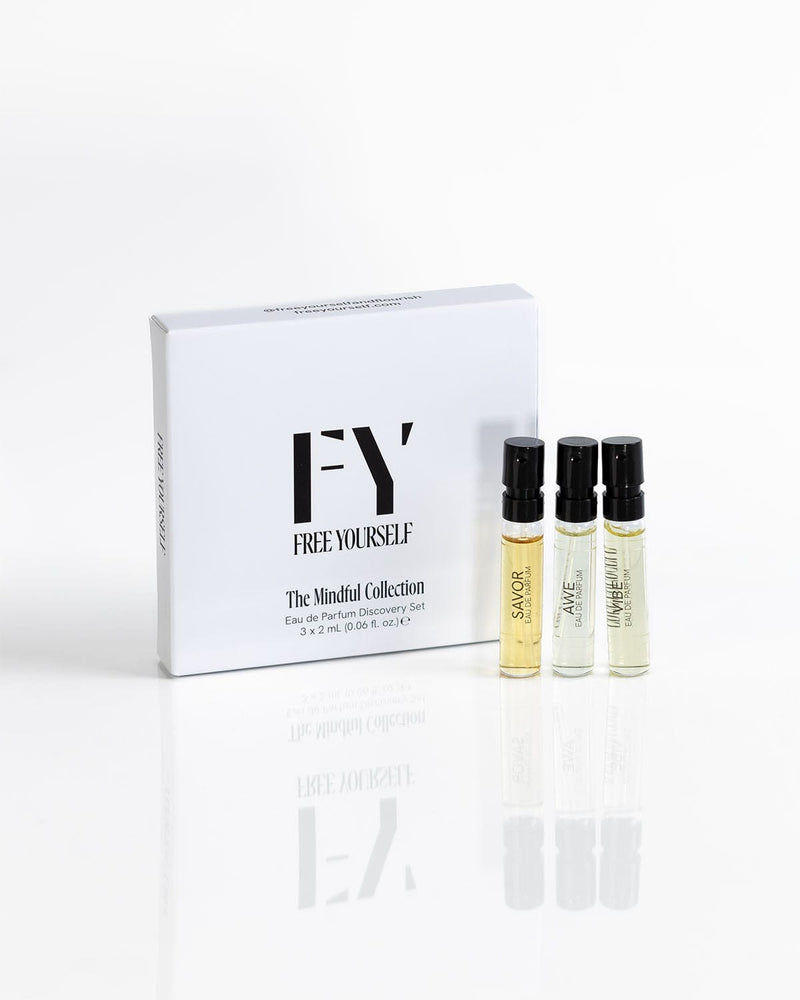
Reading about a note only goes so far. Our Discovery Sets let you try a whole collection at home, and the full price is credited toward a full-size fragrance from the same collection when you buy within 90 days.
Shop discovery sets